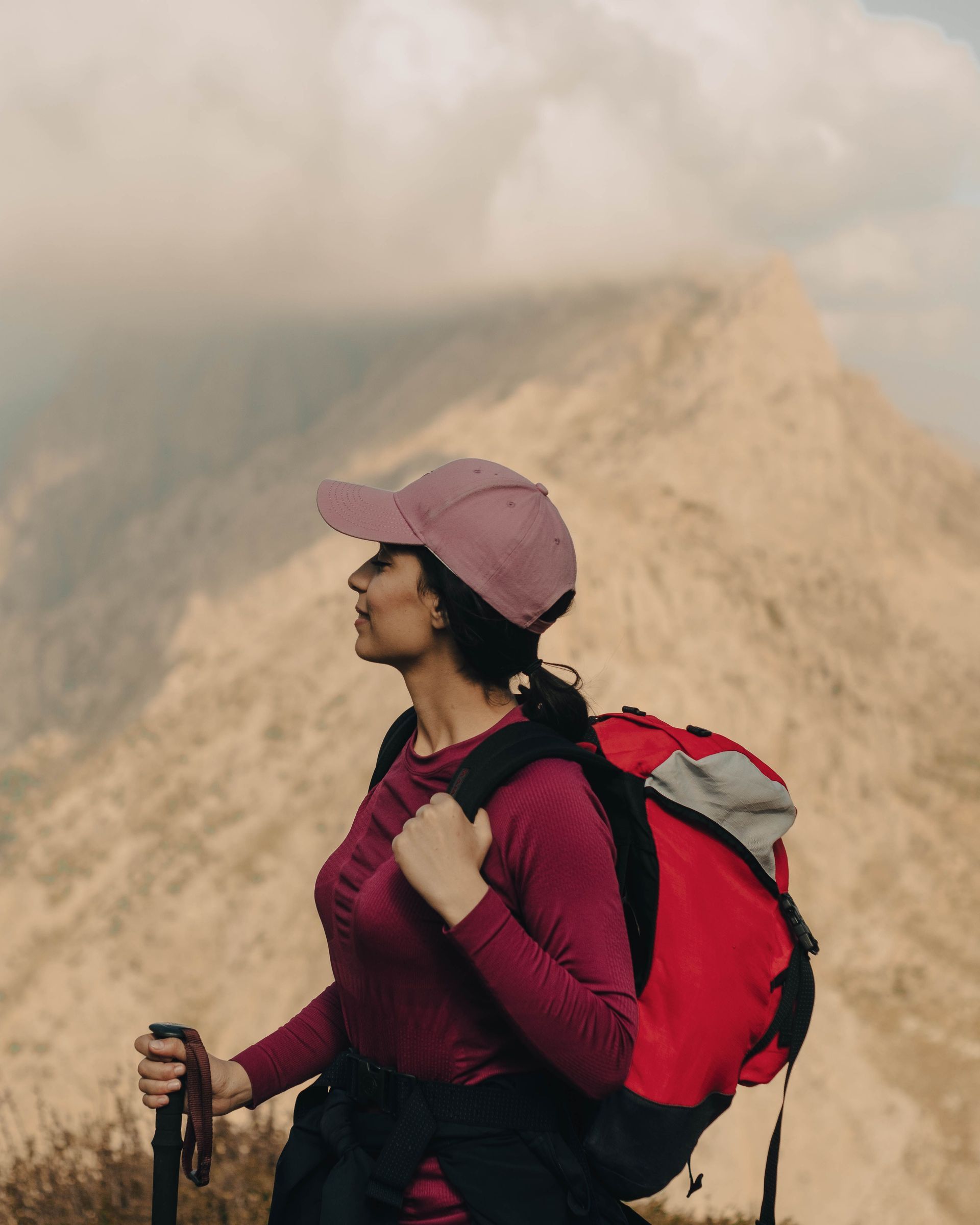
Your desert survival guide from the licensed nurses at Desert Elixirs in Terlingua, TX

Dehydration in the Big Bend desert can sneak up on you before you feel thirsty. By the time your mouth feels dry and your head starts pounding, your body is already behind. The Chihuahuan Desert — home to Big Bend National Park and the Lajitas Golf Resort — is one of the most beautiful places in North America. It is also one of the most physically demanding.
Summer temperatures push past 100°F. There is almost no shade on the open desert floor. And at elevation, your body burns through fluids faster than you expect. Whether you are hiking the Chisos Basin or finishing a back nine at Lajitas, the desert asks something of your body. Here is exactly what to watch for — and what to do — so you can spend your time out here doing what you came for.
Why the Desert Dehydrates You Faster Than You Think
The desert is deceptive. Low humidity means sweat evaporates almost instantly — so you may not notice how much fluid you are losing until it is too late.
In dry desert heat, your body can lose more than a liter of fluid per hour through sweat. That is roughly a full water bottle every 60 minutes — just from existing in the heat, before you add hiking or golf.
Research from the Wilderness Medical Society shows that fluid losses of just 2–3% of body weight are enough to raise your core temperature, reduce your sweat rate, and make physical activity feel much harder than it should. Most people do not realize they are already dehydrated until they are already there.
Add the altitude of the Chisos Mountains, the lack of shade across much of the park, and the length of a full round at Lajitas — and it becomes clear why preparation matters before you go, not after.
Early Warning Signs — Don't Ignore These
These are the first signals your body sends. If you notice any of these on the trail or the course, slow down, find shade, and drink water now.
Mild dehydration — catch it early:
- Dry mouth — your saliva is already low
- Thirst — by the time you feel it, you are already mildly dehydrated
- Headache — one of the earliest and most common signs
- Fatigue — more tired than the activity should make you
Moderate dehydration — your body is asking louder:
- Dizziness when standing up or changing position
- Dark yellow urine — pale yellow means good; dark means drink up
- Muscle cramps — especially in legs and calves
- Loss of appetite — your body redirecting energy away from digestion
Catch it at mild and you can fix it yourself. Shade, rest, water, and something salty will get most people back on track. If you are already at the moderate signs, stop your activity and focus on rehydrating before going any further.
When It Gets Serious — Heat Exhaustion
Heat exhaustion happens when dehydration goes unaddressed and your body starts to struggle with temperature control. This is beyond "drink some water and rest for a minute."
Watch for:
- Heavy sweating that does not seem to be cooling you down
- Pale or clammy skin
- Nausea or vomiting
- Weakness — hard to keep moving, limbs feel heavy
- Fast, weak pulse
- Headache that will not go away
- Feeling faint or like you might pass out
What to do: Get out of the sun immediately. Lie down with legs elevated if possible. Cool down with water or a wet cloth. Drink fluids slowly. If symptoms do not improve within 30 minutes — or get worse — call for help.
Know these signs before you leave for the trail, not when you are already on it.
Emergency Territory — Heat Stroke
Heat stroke is a medical emergency. Call 911.
Heat stroke means the body's cooling system has failed. Core temperature can climb to 106°F or higher within minutes. The person may stop sweating entirely even though they are dangerously hot.
Signs of heat stroke:
- Hot, red skin — dry or barely damp
- Confusion, slurred speech, or disorientation
- Rapid, strong pulse
- Loss of consciousness
- Body temperature above 103°F
Do not give fluids to someone who is confused or unconscious. Cool them however you can — wet cloths, shade, fanning — and get emergency help immediately. Heat stroke requires IV fluid replacement, not oral rehydration alone.
Do not wait and see. Heat stroke moves fast.
Before You Go: How to Prepare for the Desert
The best time to think about hydration is before you leave your accommodations — not when you are a mile into a trail with no shade.
Pack smart:
- ✅ One gallon of water per person, per day — the NPS minimum for longer hikes; more in summer
- ✅ Salty snacks — pretzels, nuts, electrolyte chews — salt helps your body hold onto water
- ✅ Electrolyte packets to add to your water, especially for half-day or full-day activity
- ✅ Wide-brimmed hat and light, loose-fitting clothing
- ✅ Sunscreen SPF 30+, reapplied every two hours
- ✅ Start hydrating the day before, not the morning of
Time your activity:
- Hike early — on the trail by 7 or 8 a.m., finished before noon when possible
- Golfers at Lajitas: tee off early and hydrate between every hole, not just at the turn
- Avoid full sun between 11 a.m. and 3 p.m. in summer
Tell someone your plan. Always share your hiking route and expected return time before heading out.
The Dehydration Rule of Thumb Out Here
- Drink before you are thirsty. Eat something salty. Start the day already hydrated. Thirst is a late signal — by the time you feel it, your body has been asking for help for the past 20 minutes.
Water alone is not always enough. Salt matters. Electrolytes matter. Bring both.
We've Got You Out Here
The desert is worth every step. We just want you to enjoy all of them.
If the heat got ahead of you — or you want to make sure it doesn't — come see us at Desert Elixirs in Terlingua. Our licensed nurses will help replenish what the desert took and get you back on your feet. We are right here, 13 miles from Big Bend's west entrance.
Book at the link in bio, or give us a call. No rush when you're here.
Sources:
- Centers for Disease Control and Prevention — Extreme Heat & Heat-Related Illness
- National Park Service — Big Bend National Park Safety
- Wilderness Medical Society — Clinical Practice Guidelines for the Prevention and Treatment of Heat Illness, 2024 Update